Understanding Mahjong: An Intricate Game of Strategy and Chance
Mahjong is a traditional Chinese game that has transcended cultural boundaries to become a popular pastime across the globe. This tile-based game is renowned for its complexity and the blend of skill, strategy, and luck required to master it. In the digital era, platforms like jili18 have contributed significantly to its increasing popularity, making it accessible to new generations of players.
The Origins and Evolution of Mahjong
The exact origins of Mahjong are somewhat shrouded in mystery, but it is widely believed that it was developed in China during the Qing dynasty. Initially, it was a game of the elite, heavily steeped in local customs and traditions. Over time, Mahjong spread throughout Asia, each region adapting it slightly to fit their cultural context. This adaptable nature of Mahjong has allowed it to flourish, with variations including Japanese Mahjong and American Mahjong.
The Essential Components of Mahjong
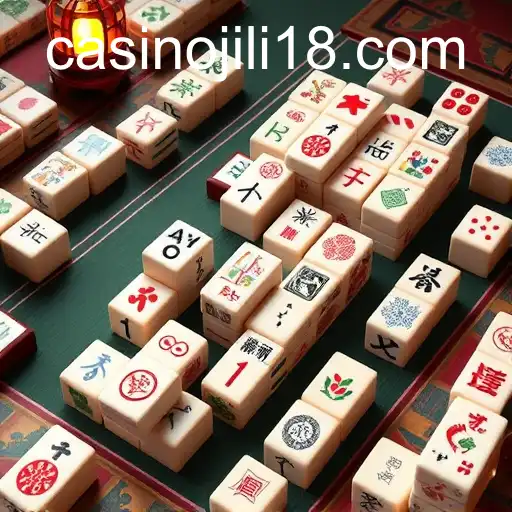
A standard Mahjong set comprises 144 tiles, which are categorized into suits, honors, and bonus tiles. The three suits are bamboo, characters, and dots, each ranging from one to nine. Honor tiles consist of winds and dragons, and bonus tiles include flowers and seasons. Mastery of these components is crucial for anyone keen on understanding the game profoundly.
Players' interaction with the tiles is central to the game's mechanics. The primary objective in Mahjong is to form a complete hand, typically consisting of 14 tiles, into four sets and a pair. Sets can be 'pongs' or 'chows', and understanding these combinations is essential for players aiming to win consistently.
Strategic Gameplay and the Role of Luck
While luck is undeniably a factor in Mahjong, strategy is where the game truly shines. Experienced players will tell you that recognizing the nuances of each game is key to success. Elements such as observing opponents, memory, and forward planning come into play. Success in Mahjong often requires players to balance their hand formation strategy with blocking opponents, a factor that does not appear at first glance.
Mahjong in the Digital Age: The Impact of Jili18
The digital revolution has brought about significant changes in how traditional games are played and accessed. With the advent of platforms like jili18, Mahjong enthusiasts can now play from the comfort of their homes. This increased accessibility has contributed to a resurgence in interest, attracting both seasoned players and newcomers alike. Digital platforms have redefined the competitive landscape of Mahjong, making it more dynamic and interactive.
Social and Cultural Significance of Mahjong
Beyond its complexity as a game, Mahjong holds a special place in the social and cultural fabric, especially in Chinese communities. It is often played during family gatherings and festivals, where it fosters camaraderie and tradition. In many ways, playing Mahjong is a cultural experience, providing insight into the values of bonding and community spirit.
Learning Mahjong: Tips for Beginners
For beginners eager to learn Mahjong, the best approach is hands-on practice, preferably with seasoned players who can guide them through the intricacies of the game. Understanding the rules and common strategies is vital, but new players should not underestimate the value of patience and observation. Engaging with platforms like jili18 can also offer invaluable experience, allowing newcomers to hone their skills through practice with a wide range of opponents.